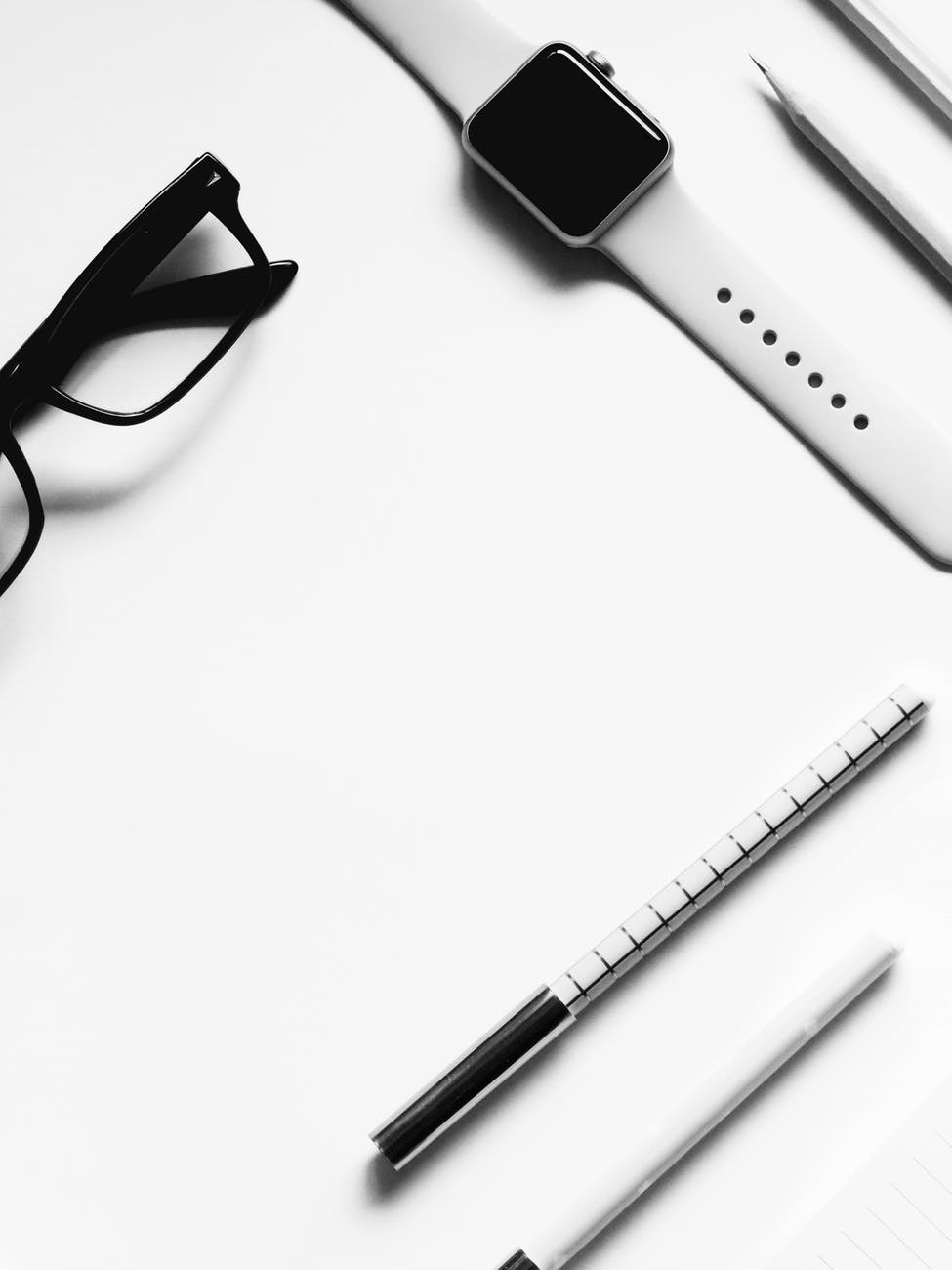
I excitedly opened my smart watch app to log my current weight. I had lost more baby-weight in the last couple of weeks and was really proud of myself. Weight is not at all my measuring stick for success, but it is a positive side-effect of making healthy choices and it is validating to see the number coming down.
I nearly spit out my water when I read that my ideal weight, according to the app, was 132 lbs. I’m 5’7″ with an hourglass, endomorph body type. I have a chest, wide hips, thighs, and a butt. I haven’t been 132 since freshman year of high school and I can confidently tell you I should NEVER, EVER be 132 lbs. as an adult.
I could easily laugh off the absurdity of the app’s numbers for my body. BMI has never been accurate for me and I don’t pay much attention to it. Even at my fittest I have been considered obese under BMI calculations. I can’t tell you how many times I’ve heard the comment, “You weigh so much more than you look” by medical professionals. I had one doctor meet me for the first time and say, “Wow! You don’t look obese!” Thank you?
The BMI scale was developed in the 1800s to give governments a snap shot of overall population health and not to measure individual health. It also doesn’t take into account true physical indicators for risk of cardiovascular disease, which isn’t how much you weigh, but where fat is distributed on your body.
I know all of this. I know what my ideal weight is–the weight where I feel and look my healthiest–and suffice it to say that’s a far way away from 132 lbs. A doctor once asked me that–“Do you have a sense of your ideal weight?” I did and I found her question so profound. She wasn’t asking me what my ideal weight was on some scale, but what I believed it be, having been in this body all these years and knowing it better than anyone else. If only there were a scale for that!
As much as I know that number is laughable for my body, I also know that it would feel good to tick the BMI box. The fact that I even had to spend so much time thinking about and internally arguing against the whole BMI thing wasn’t good.
And then I thought, is this tracker serving you, Sarah? Do I need an app to tell me what I should weigh and if I took enough steps today? Is this watch building me up and encouraging me, or telling me I’m failing? Are my weight and daily steps the things I’m doing to be healthy?
I felt great when I hit 10,000 steps and my watch buzzed excitedly. But, it wasn’t because my day was particularly healthy or because I felt physically well. It’s because I ticked that box. I did the thing my app was telling me I was supposed to be doing to be healthy. Sometimes I walked around my house late at night just to get to 10,000 steps. I even walked when I was in pain. Check, check, check.
When I was cleared for exercise after my 3rd baby, I took her out for walks most nights. I made sure I had my watch on and spent much of the walk checking how far I’d gone and how many steps I’d taken. I wasn’t present. I wasn’t taking in the beautiful evening or my beautiful daughter or getting lost in a good song. I was focused on getting enough steps, going far enough, moving fast enough.
I was P*SSED when my watch incorrectly clocked my steps a few nights in a row. I happened to know how long the route was and it was shorting me considerably. If my fitness tracker didn’t track it, did it count?
I didn’t feel so great when I didn’t hit 10,000 steps. I felt I had failed, regardless of whether I ate really good foods, had a restorative workout, connected with others in a meaningful way, made time for prayer, and got good sleep.
I also didn’t feel so great when my app showed me what my “friends” were doing. I felt vulnerable and exposed when my numbers were low, as if they were shouting to the world, “SHE’S A FAILURE!!!”
I found the food and water tracking to be too much effort. I firmly believe what I eat and when I eat are far more important to my health than measuring my caloric intake. I also didn’t want to stop and think about how many cups of water I’d had so I could log accurately. So, I never used those features.
I didn’t like that my watch would tell me whether I got good sleep or not. I know that as soon as I wake up and I have my nightly sleep rituals that work for me. The data my watch was recording wasn’t helping me sleep better.
So, I made the decision to retire my smart watch. I simply couldn’t think of any real reason to keep it and a great deal of reasons not to keep it.
I don’t think fitness trackers are bad. They may serve you well and I would never suggest you discontinue doing something that’s working for you. Mine just wasn’t serving me. If you’re in the same boat, give yourself permission to break up with it, or anything else you’re doing for your health that’s not actually working for you.
If you want to make health a lifestyle, find things that serve you, build you up, and encourage you. That may or may not be a fitness tracker. At least ask the question.
 Honey and Ghee